

Service 04
Leach drain rejuvenation
Leach drains are the part of your septic system you never see — until they fail. When the soil around them clogs, effluent has nowhere to go. We pump out flooded drains, find the cause, and rejuvenate, refurbish or replace them.
- Soggy yards
- Slow drains
- Older systems
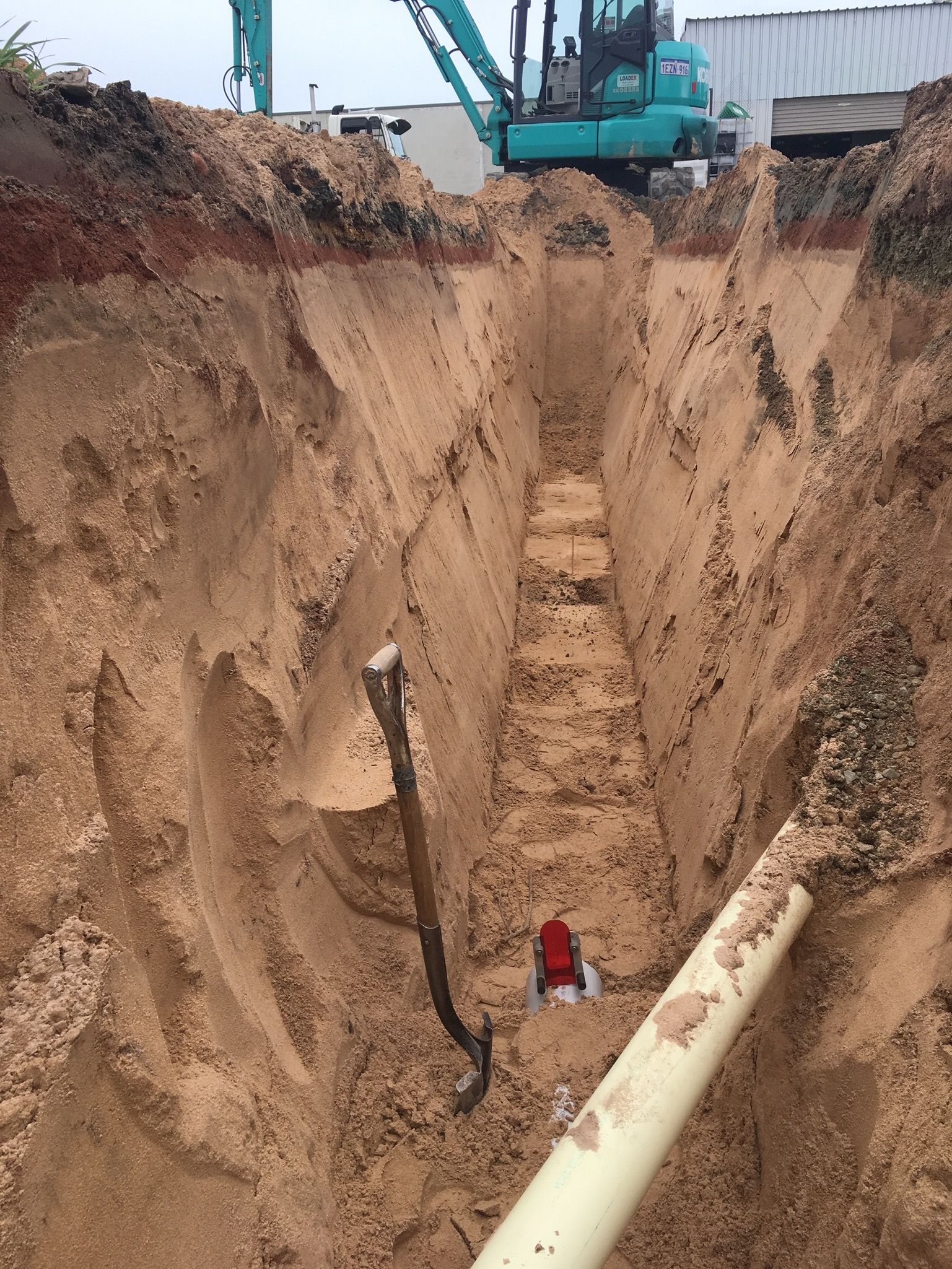
Where your septic system really does its work
Leach drains take the effluent from your tank and let it soak away. They have slots in their sides and no base, so the soil underneath provides the final, natural treatment.
Over time — faster if the tank isn't pumped — solids and biological build-up clog that soil. Once it's sealed, the drain floods, effluent rises towards the surface and the problems start showing up in the yard and the house.
- Excess water pumped from flooded leach systems
- Inspection to find the cause, not just the symptom
- Rejuvenation where the drain can be saved
- Complete refurbishment or replacement if required
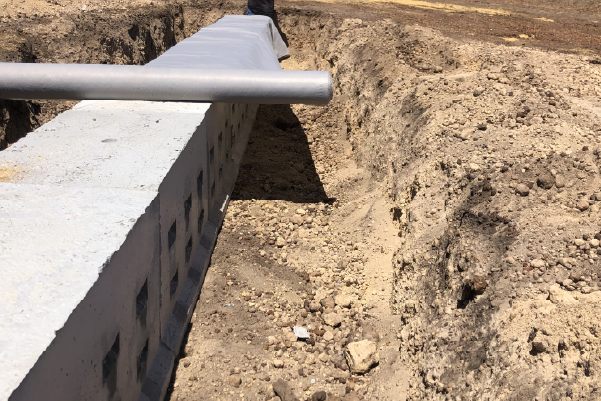
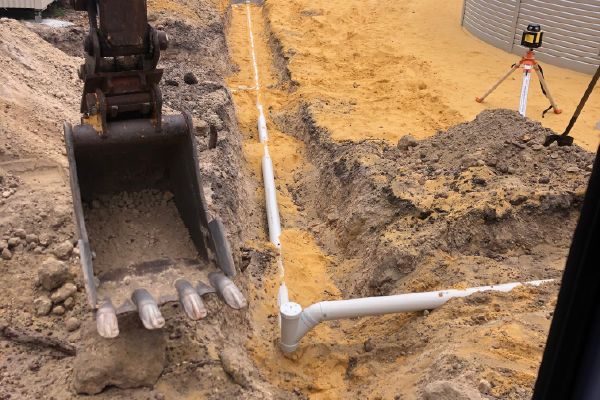
How a leach drain fails, in four stages
Drag the slider to see what happens underground when pump-outs slip.
Healthy
Effluent seeps out through the drain's slotted sides and open base, and the soil around it does the rest of the treatment.
Keep up regular pump-outs and you'll rarely think about it.
Simplified, illustrative model. Failure signs: HealthyWA.
Rejuvenate first. Replace only if we must.
In many cases the drain can be brought back at a fraction of the cost of replacement. Where it can't, we'll tell you straight.
- Step 1
Pump the flood out
Excess water pumped from the flooded leach system (and the tank).
- Step 2
Find the cause
Inspection to work out why it stopped soaking — not just the symptom.
- Step 3
Rejuvenate
Where the drain can be saved, it's brought back into service.
- Step 4
Refurbish or replace
Complete refurbishment or replacement arranged if required.
- Step 5
Whole-system check
Inspection to keep the entire septic system working as it should.
Flip the diverter once a year
Most WA systems built since 1989 have two leach drains and a diverter box. Switching sides annually lets one drain rest and recover while the other works.
Flowing to drain A — drain B is resting.
Questions we get asked
Straight answers. Still unsure? Give us a ring — we're happy to talk it through.
Why is my leach drain flooded?
Usually because the soil around it has clogged. When a septic tank builds up too much sludge and scum, solids and grease wash through into the drains and seal up the surrounding soil, so effluent has nowhere to go. Heavy water use and wet weather make it worse.
Will pumping out the tank fix a flooded leach drain?
It helps, but repeated tank pump-outs on their own treat the symptom, not the cause. We pump the excess water out of the flooded drains as well, then inspect the system to work out why it stopped soaking away.
Can a leach drain be saved, or does it need replacing?
Often it can be rejuvenated — pumped out, rested and brought back into service. WA Health lists remedies such as pumping out the whole system and replacing the clogged soil, or adding another drainage receptacle and a diverter box so the old one can rest. Where a drain is past saving, we'll tell you straight; septic and leach drain installations are part of what we're licensed for.
What's a diverter box and should I be switching it?
Since 1989 most WA household systems have two leach drains (or two sets of soak wells) with a diverter box between them. WA Health suggests switching sides once a year by opening the diverter box and turning the flow handle, so each side gets a rest.
What are the warning signs of a failing leach drain?
Soggy ground or effluent seeping to the surface around the drains, sewage smells, slow or gurgling drains in the house, and overflow at the gully outside. Effluent at the surface is a health risk — keep kids and pets away and call us.
Can I drive or build over my leach drains?
Don't drive over them — WA Health warns the weight can damage the system and compact the soil the drains rely on.
Soggy yard? Let's sort it
Leave your details and we'll call you back to talk it through — or ring now on 0429 933 407.
- Licensed — Lic No T149 · PL 9101 · GF 16106
- Owner-operated since 2003
- Local — Chittering, Swan, Gingin, Wanneroo & surrounds
“Thankyou so much. Top blokes that come out asap, to help a solo mum in a emergency. Very professional and explained everything to me. I will definitely be using again if needed and recommending them.”
We'll ring you back
Leave your name and number and we'll give you a ring. Owner-operated — you deal directly with the people doing the work.
In a hurry? Call 0429 933 407
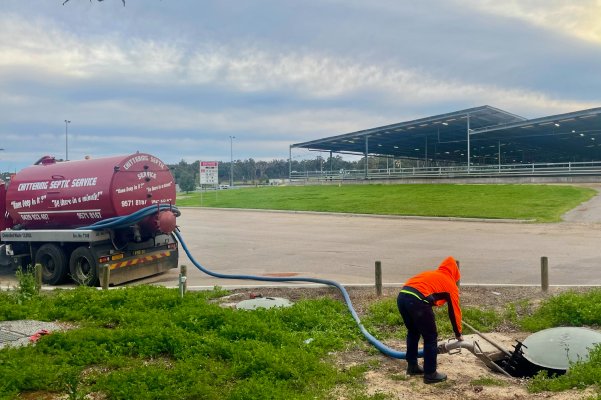
Septic Tank Pumping & ATU Servicing
Pump-outs, inspections and maintenance for every kind of septic system — including ATU and AWTS units (Biomax, Enviromax, Icon, Taylex).
- Homes on septic
- ATU owners
- Commercial & industrial
Grease Trap Cleaning
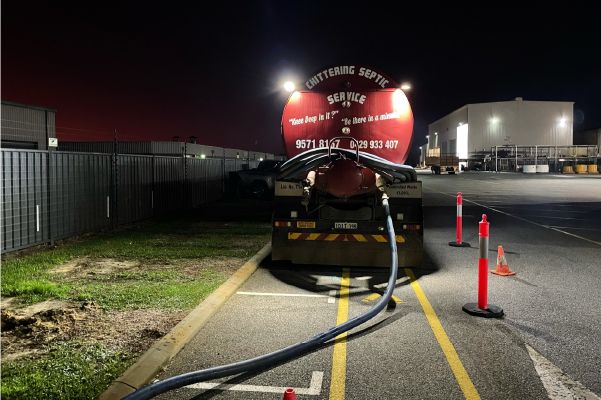
Scheduled and emergency grease trap pump-outs for cafés, restaurants, roadhouses and commercial kitchens.
- Cafés & restaurants
- Roadhouses
- Commercial kitchens
Portable Toilet Hire
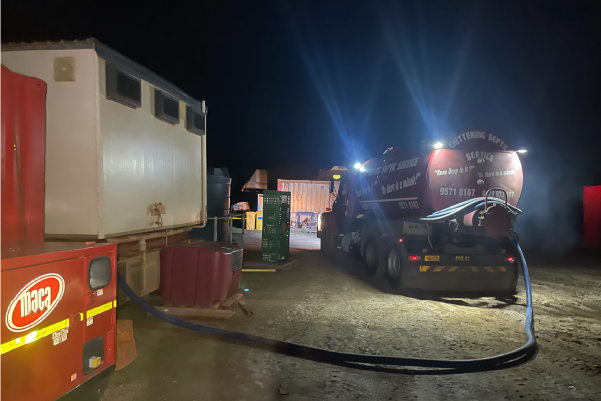
Portable toilets for events and building sites — delivered, serviced and collected by the same local crew.
- Events & weddings
- Builders
- Remote work
Soak Well Installation
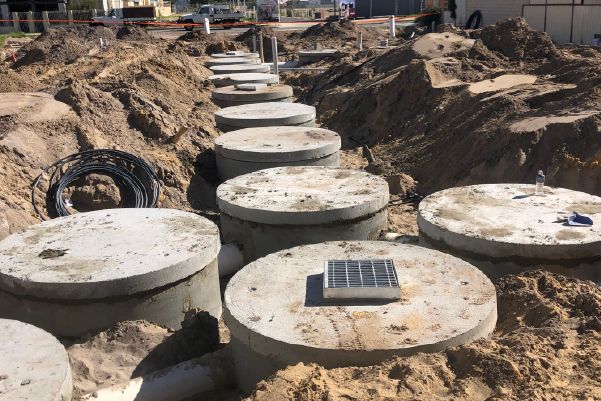
Concrete soak wells sized, placed and installed to keep stormwater on your block — plus cleaning and repairs.
- New builds
- Pooling water
- Commercial sites