Service 01
Septic tank pumping & ATU servicing
Pump-outs, inspections and maintenance for every kind of septic system — domestic, commercial and industrial — plus routine servicing for ATU and AWTS units. A well-kept system protects your property, your family and the environment.
- Homes on septic
- ATU owners
- Commercial & industrial
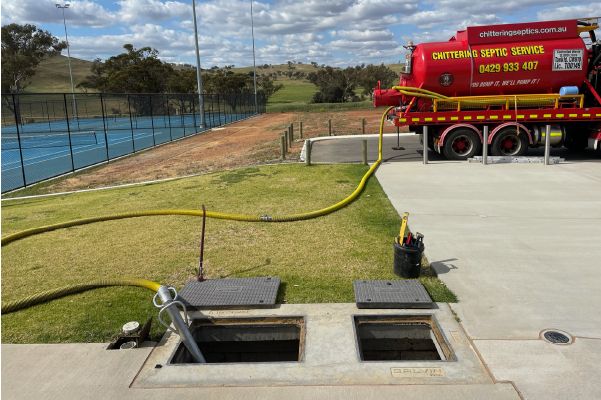
A clean tank and a straight answer
We've been pumping septics around the Chittering Valley since 2003. We use that experience to spot problems early and fix them quickly — so a routine pump-out doesn't turn into a new leach drain.
- Septic tank pump-outs for domestic, commercial and industrial systems
- Inspection of your system included with every service
- Routine maintenance schedules available
- ATU and AWTS servicing — Biomax, Enviromax, Icon, Taylex and more
- Licensed plumbers & gas fitters for controlled waste removal
- 01
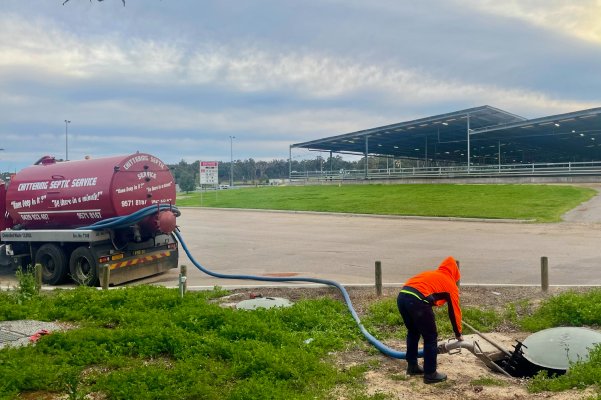
Find & open up
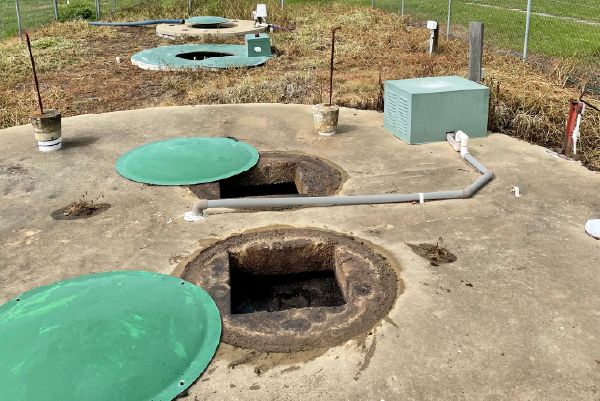
We locate the access lids and open the tank up safely.
- 02
Pump it out
The tanker vacuums out the sludge, scum and liquid.
- 03
Inspect the system
An inspection of your system is included with every service.
- 04
Straight advice
We tell you what we found and what (if anything) needs doing.
How a septic system works
Five steps from the flush to the soil — and why the pump-out matters most.
1 Everything heads to the tank
Every flush, shower and sink runs down one pipe to your septic tank — one or two watertight tanks buried in the yard.
2 Solids sink, scum floats
Heavy solids settle to the bottom as sludge, where bacteria slowly break them down. Fats, oils and grease float up and form a crust of scum.
3 Clearer effluent moves on
The liquid in the middle — effluent — flows out to your drainage: leach drains or soak wells. Most WA household systems built since 1989 have two, with a diverter box so one side can rest.
4 The soil finishes the job
Effluent seeps out through the holes in the drain and the soil around it provides further natural treatment. When that soil clogs, you get soggy, smelly — or suspiciously green — ground.
5 A pump-out resets the clock
Sludge never fully disappears. Let it build up and solids wash into the drains and clog the soil. A regular pump-out by a licensed liquid waste contractor keeps the whole system working.
Simplified illustration. Source: HealthyWA — Understanding septic tank systems.
When's my next pump-out due?
Pop in your household size and tank, and we'll give you a rule-of-thumb interval — plus whether you're probably due. One tap sends it to us.
Rough pump-out interval
every ~2.6 years
- A garbage grinder adds solids, so plan on pumping more often than this — and WA Health advises against them unless specially authorised.
General guidance only — the real answer is what we find when we open the tank. Tank-size intervals: Oregon State University Extension, EC 1343 (converted to litres). Household rule of thumb: HealthyWA.
Your ATU is a little treatment plant. Treat it like one.
Aerobic treatment units have pumps, blowers and chlorinators that need regular attention to keep treating wastewater properly. We service all common units — domestic and commercial.
- Biomax
- Enviromax
- Icon
- Taylex
- & more
Tap a chamber to see what it does — or watch the effluent make its way through.
1. Settle. Solids settle and start breaking down as sludge; scum floats. Partly clarified liquid moves on.
2. Aerate. Air is pumped in so bacteria can break down the finer organic matter. This is the blower you can hear.
3. Clarify. Remaining solids settle out and are returned to the first chamber. The clear effluent is ready for disinfection.
4. Disinfect & irrigate. Usually chlorine tablets disinfect the effluent, then a pump sends it to sprinklers or drippers in your dedicated irrigation area.
Every 3 months. It's the rule.
In WA, ATUs and other secondary treatment systems must be serviced every 3 months (or as approved by the Chief Health Officer), by a person the Chief Health Officer has approved to service them.
Chamber stages and servicing rule: WA Department of Health — STS & AWTS. Dates are a planning aid only.
The 30-second septic quiz
Most septic call-outs start in the bathroom. Can you beat the trickier ones?
Card 1 of 9
Flush it or bin it?
Toilet paper
The short version
- Flush: the three Ps — pee, poo and (toilet) paper.
- Bin: wipes, tissues, paper towel, sanitary items, nappies, floss, hair, cigarette butts, kitty litter.
- Go easy: fat and grease, bleach and detergent (fine in moderation), big water loads all at once.
- Never: old medicines, strong chemicals, or garbage grinders unless specially authorised.
Time for a pump-out?
WA Health lists sewage backing up into the house, overflow at the gully and soggy ground around the drains as signs a system is failing. Don't wait them out.
Try the symptom checkerSource: HealthyWA.
- Slow drains & toilets
- Gurgling pipes
- Sewage smells
- Soggy ground over the drains
- Overflow at the gully
- ATU alarm going off
Questions we get asked
Straight answers. Still unsure? Give us a ring — we're happy to talk it through.
How often should my septic tank be pumped out?
It depends on how many people live there and how big the tank is. WA Health's rule of thumb is about every eight years for a two-person household and every four years for four people, and more often for bigger households. Our pump-out guide gives you a tank-size estimate too — and when we open the tank, we'll tell you what we actually find.
Do septic additives mean I don't need pump-outs?
No. Plenty of products claim to remove the need for desludging, but WA Health doesn't promote them. Sludge still builds up and still has to be pumped out by a licensed liquid waste contractor.
How often does an ATU need servicing in WA?
Every three months (or as approved by the Chief Health Officer). WA Health requires ATUs and other secondary treatment systems to be serviced by a person the Chief Health Officer has approved. The tank still needs periodic desludging as well.
Which ATU brands do you look after?
We work on all common ATU and AWTS systems, including Biomax, Enviromax, Icon, Taylex — for both domestic and commercial applications.
What shouldn't go down the toilet on a septic system?
Anything but pee, poo and toilet paper. Keep wipes, tissues, paper towel, sanitary items, nappies, floss, hair, cigarette butts and kitty litter out, go easy on fat, grease and strong chemicals, and never pour old medicines down the drain. Try our Flush or bin? game.
Do you work on commercial and industrial systems?
Yes. We service septic systems for domestic, commercial and industrial customers — including sumps and wastewater treatment plants.
Can I drive over my septic tank?
Best not. WA Health advises against driving vehicles over any part of the system — the weight can damage the tank and pipes and compact the soil over the drains.
Book it in
Leave your details and we'll call you back to talk it through — or ring now on 0429 933 407.
- Licensed — Lic No T149 · PL 9101 · GF 16106
- Owner-operated since 2003
- Local — Chittering, Swan, Gingin, Wanneroo & surrounds
“These guys absolutely fantastic, always informing you of what's happening, send photos of the job, friendly, I would not use anyone else.”
We'll ring you back
Leave your name and number and we'll give you a ring. Owner-operated — you deal directly with the people doing the work.
In a hurry? Call 0429 933 407
Grease Trap Cleaning
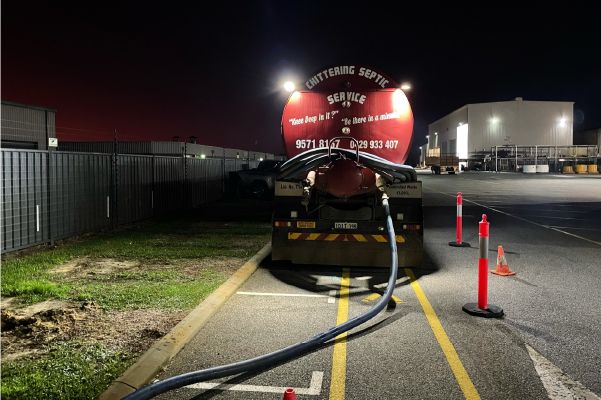
Scheduled and emergency grease trap pump-outs for cafés, restaurants, roadhouses and commercial kitchens.
- Cafés & restaurants
- Roadhouses
- Commercial kitchens
Portable Toilet Hire
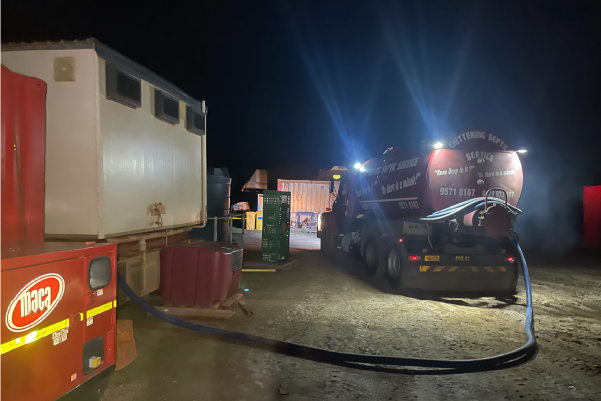
Portable toilets for events and building sites — delivered, serviced and collected by the same local crew.
- Events & weddings
- Builders
- Remote work
Leach Drain Rejuvenation
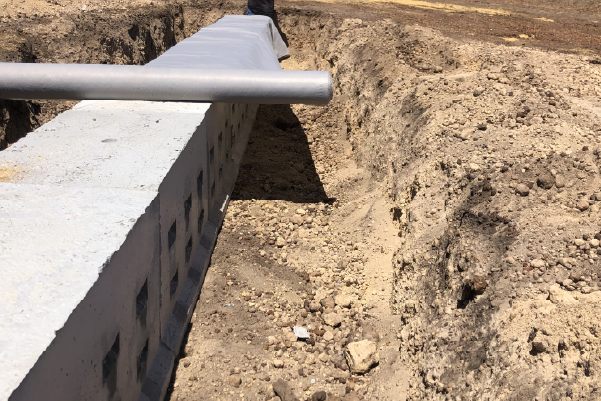
Flooded, smelly or soggy leach drains pumped, diagnosed and rejuvenated — or replaced if they're past saving.
- Soggy yards
- Slow drains
- Older systems
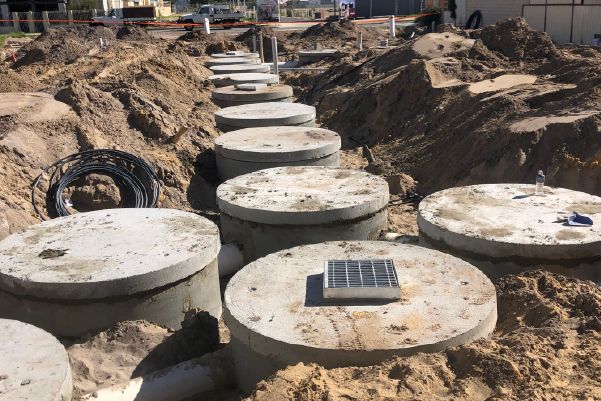
Soak Well Installation
Concrete soak wells sized, placed and installed to keep stormwater on your block — plus cleaning and repairs.
- New builds
- Pooling water
- Commercial sites